
This Is Frankenstein's Monster: 7 Classic Villains as Their Authors Actually Described Them
updated at: Nov 4, 2026
929 wordsClose your eyes and picture Frankenstein's monster. Green skin, flat head, bolts in the neck, a lumbering walk. Now picture the Wicked Witch of the West: green again, pointy hat, cackle. Dracula? Slicked-back black hair, opera cape, a sharp widow's peak.
None of that is in the books.
Most of the classic villains we "know" were redesigned by film studios and stage productions decades after their authors created them. The originals are stranger, sadder, and often far creepier. Here are seven famous monsters exactly as their authors described them, in their own words.
1. The Creature - Mary Shelley, Frankenstein (1818)
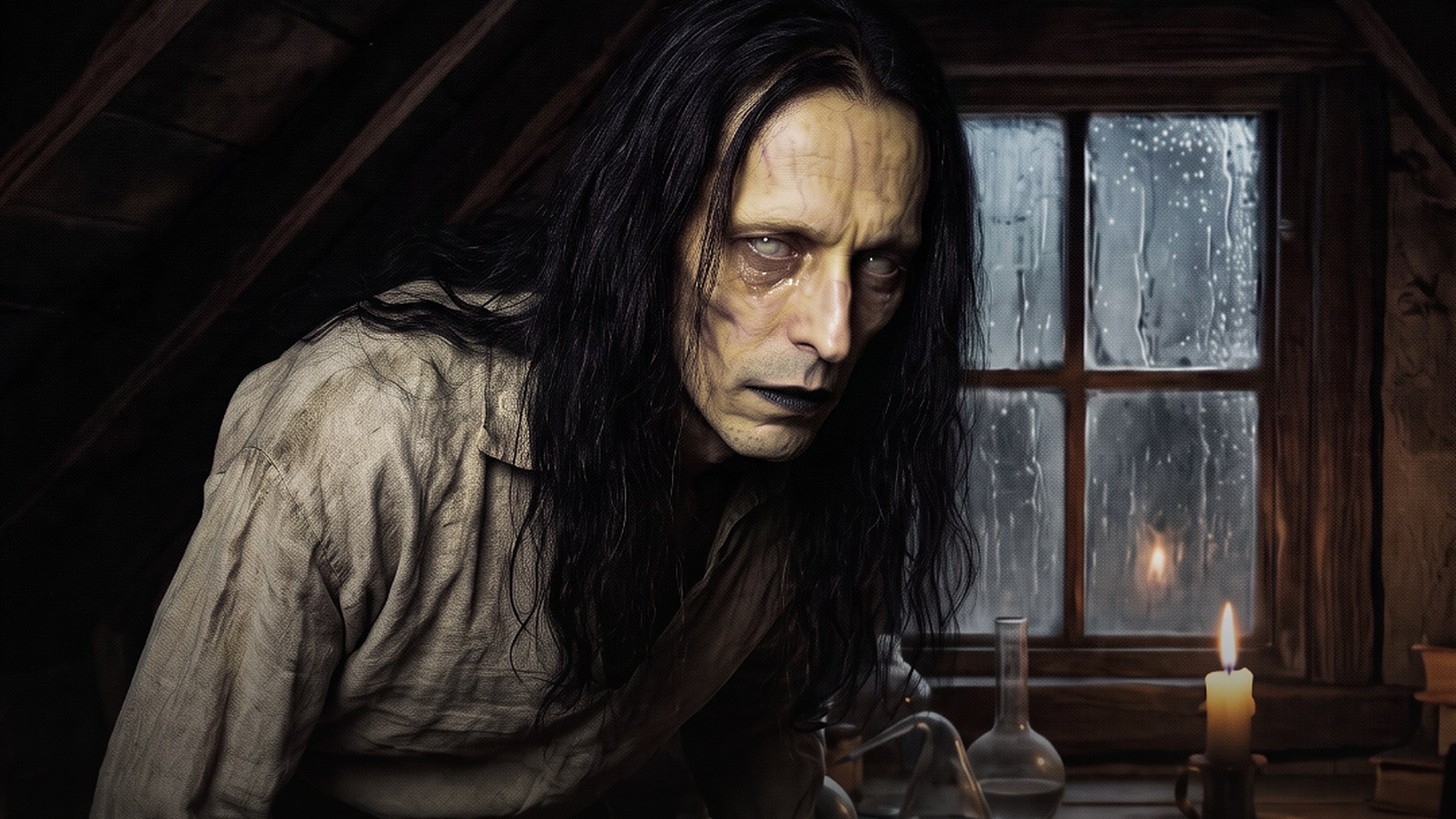
"His yellow skin scarcely covered the work of muscles and arteries beneath; his hair was of a lustrous black, and flowing; his teeth of a pearly whiteness…"
Shelley's Creature is not green, not stitched together with visible seams, and has no bolts in his neck. He is about eight feet tall, with long black hair, white teeth, watery eyes and thin black lips. The horror lies in the contrast: Victor chose features he thought were beautiful, and the result was ghastly.
Book vs. screen: Frankenstein is not the monster's name. It's the name of his maker, Victor, and Victor is not a doctor either. He is a university student at Ingolstadt. The flat-topped, bolted look comes from the 1931 Universal film, not from Shelley.
2. Count Dracula - Bram Stoker, Dracula (1897)
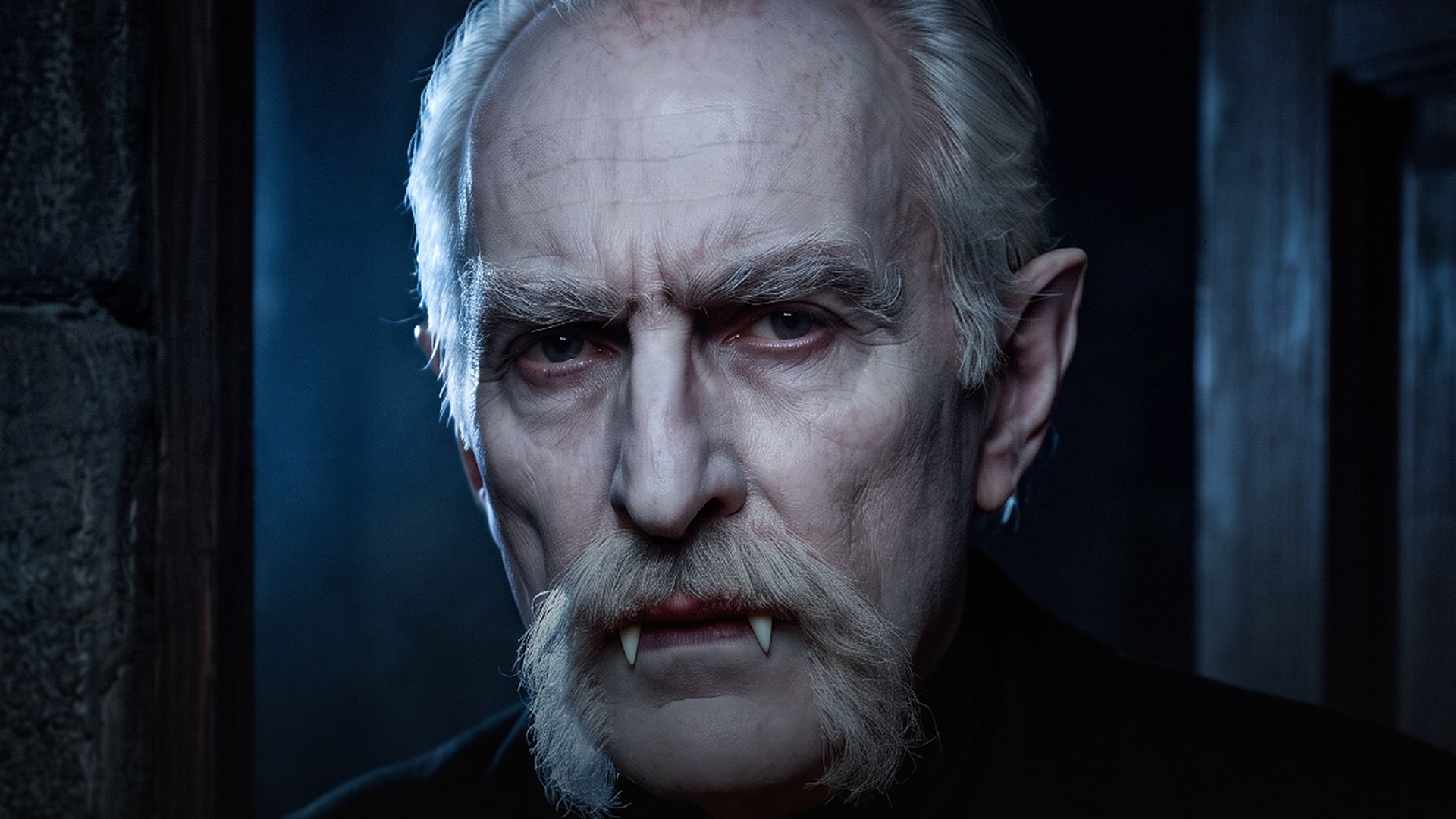
"Within, stood a tall old man, clean shaven save for a long white moustache, and clad in black from head to foot, without a single speck of colour about him anywhere."
When Jonathan Harker first meets him at the castle door, Dracula is an old man with a long white moustache, bushy eyebrows, pale pointed ears and sharp white teeth. No cape, no slick black hair.
Book vs. screen: Stoker's Count gets younger as he feeds. By the time Harker spots him in London, his hair and moustache have darkened and he has a pointed beard.
…and his hands
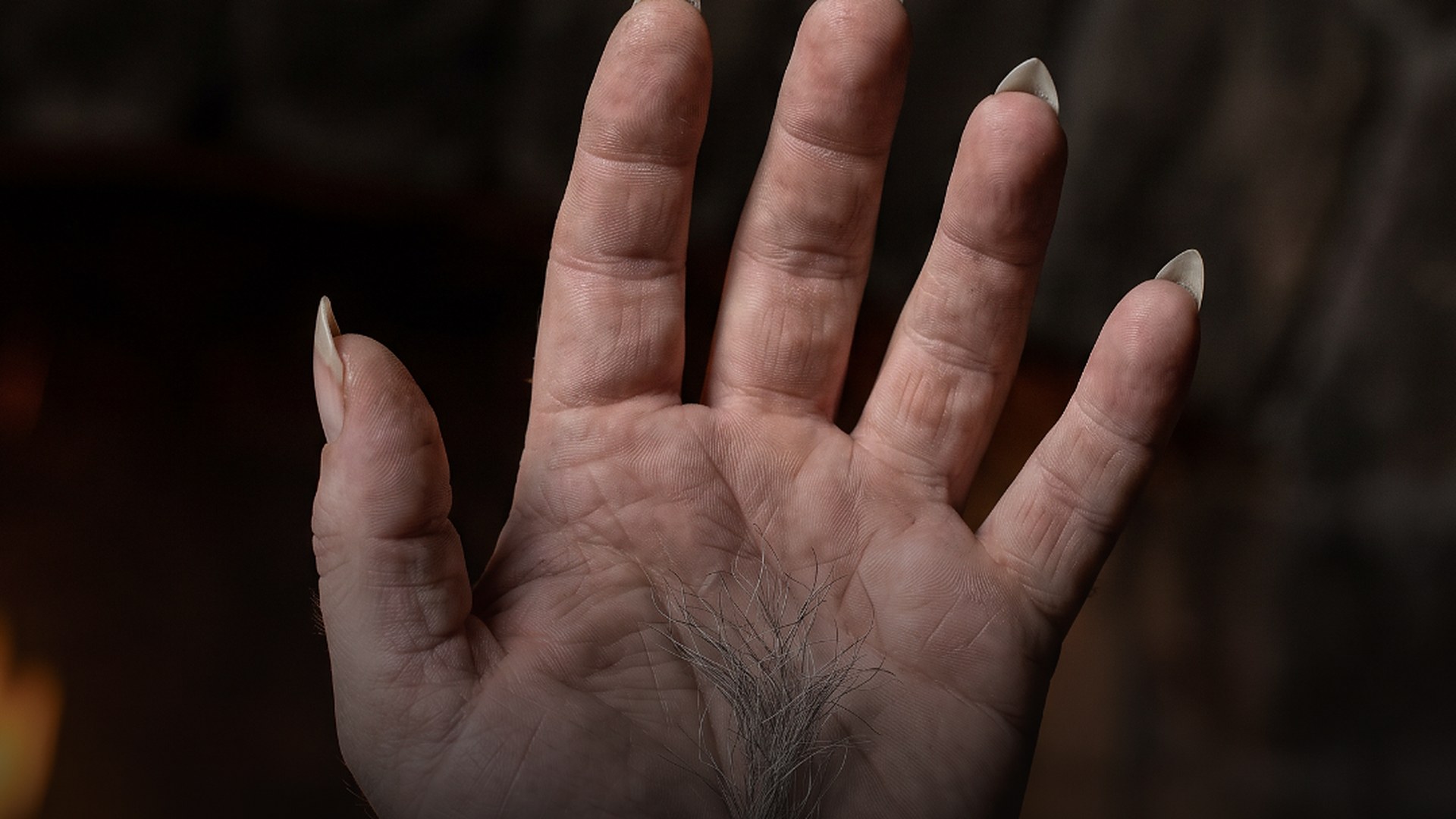
"Strange to say, there were hairs in the centre of the palm. The nails were long and fine, and cut to a sharp point."
Harker notices this on his first night at the castle, as the two of them talk by the fire until dawn. It's one of the most unsettling details in the novel, and one the films almost always leave out.
3. The Wicked Witch of the West - L. Frank Baum, The Wonderful Wizard of Oz (1900)
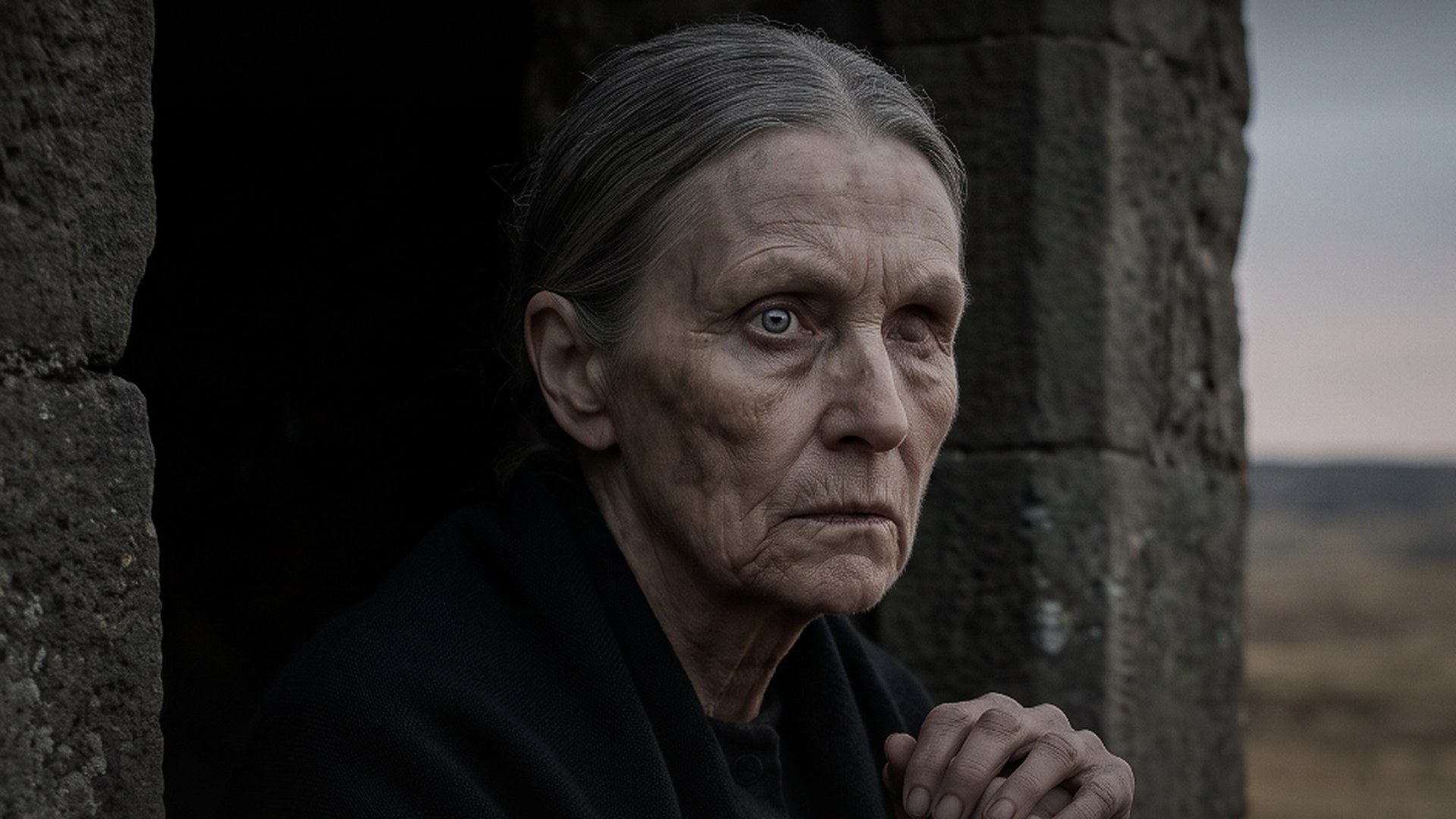
"Now the Wicked Witch of the West had but one eye, yet that was as powerful as a telescope, and could see everywhere."
Baum's witch is a one-eyed old woman who rules the Winkies from her castle and commands wolves, crows, bees and the Winged Monkeys.
Book vs. screen: She is never described as green. The green skin comes from the 1939 film. She doesn't bleed, either: when Dorothy's dog bites her, nothing comes out, because the blood in her had dried up many years before.
4. The Phantom - Gaston Leroux, The Phantom of the Opera (1910)
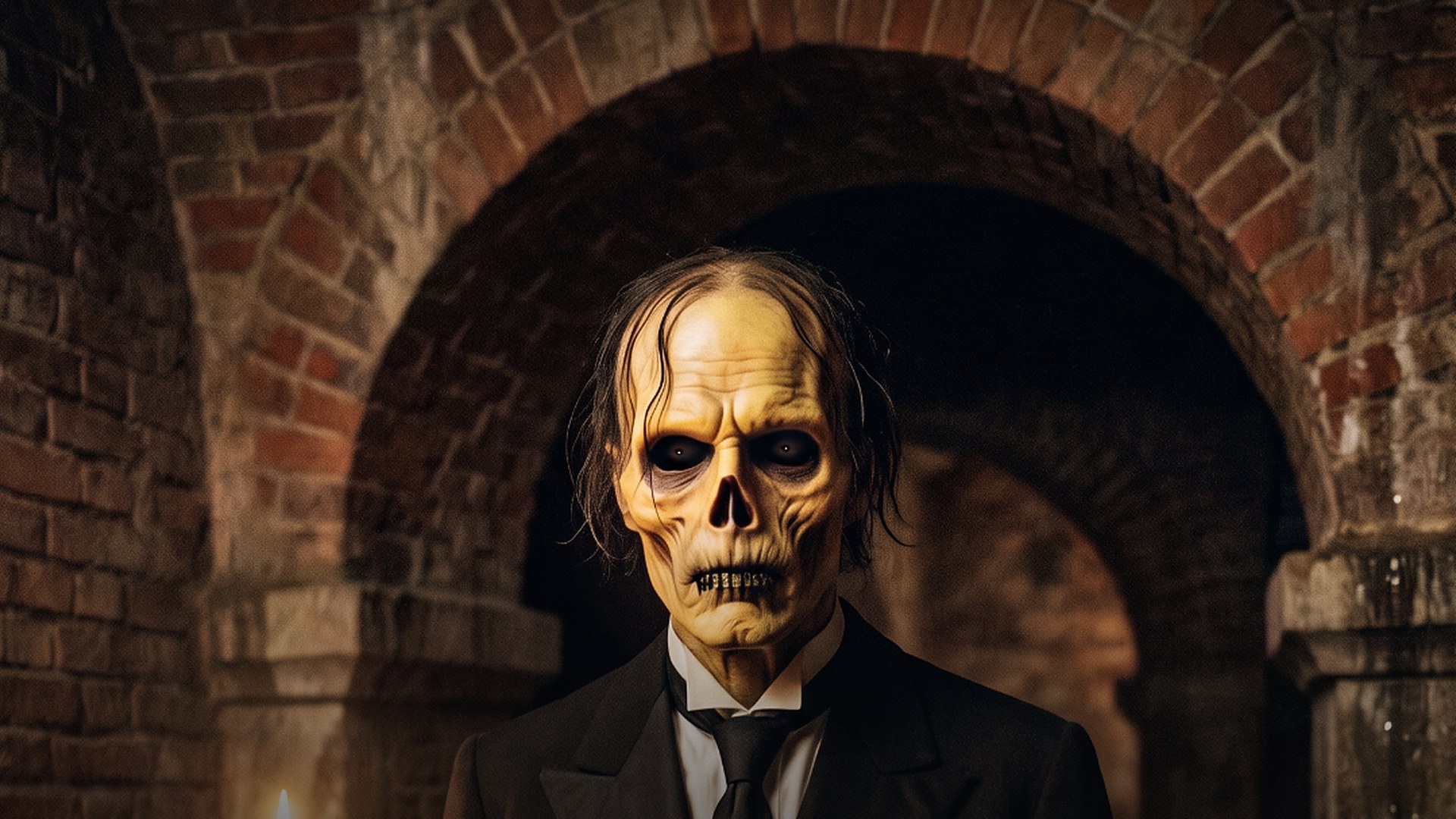
"His skin, which is stretched across his bones like a drumhead, is not white, but a nasty yellow. His nose is so little worth talking about that you can't see it side-face…"
Translated by Alexander Teixeira de Mattos, 1911.
Leroux's Erik has a living death's-head for a face: yellow skin pulled tight over bone, deep dark eye sockets and almost no nose. The Opera's stagehands describe him as a skeleton in a dress coat.
Book vs. stage: The musical gave him a handsome half and a half-mask. Leroux gave him no handsome half at all.
5. Mr. Hyde - Robert Louis Stevenson, Strange Case of Dr Jekyll and Mr Hyde (1886)
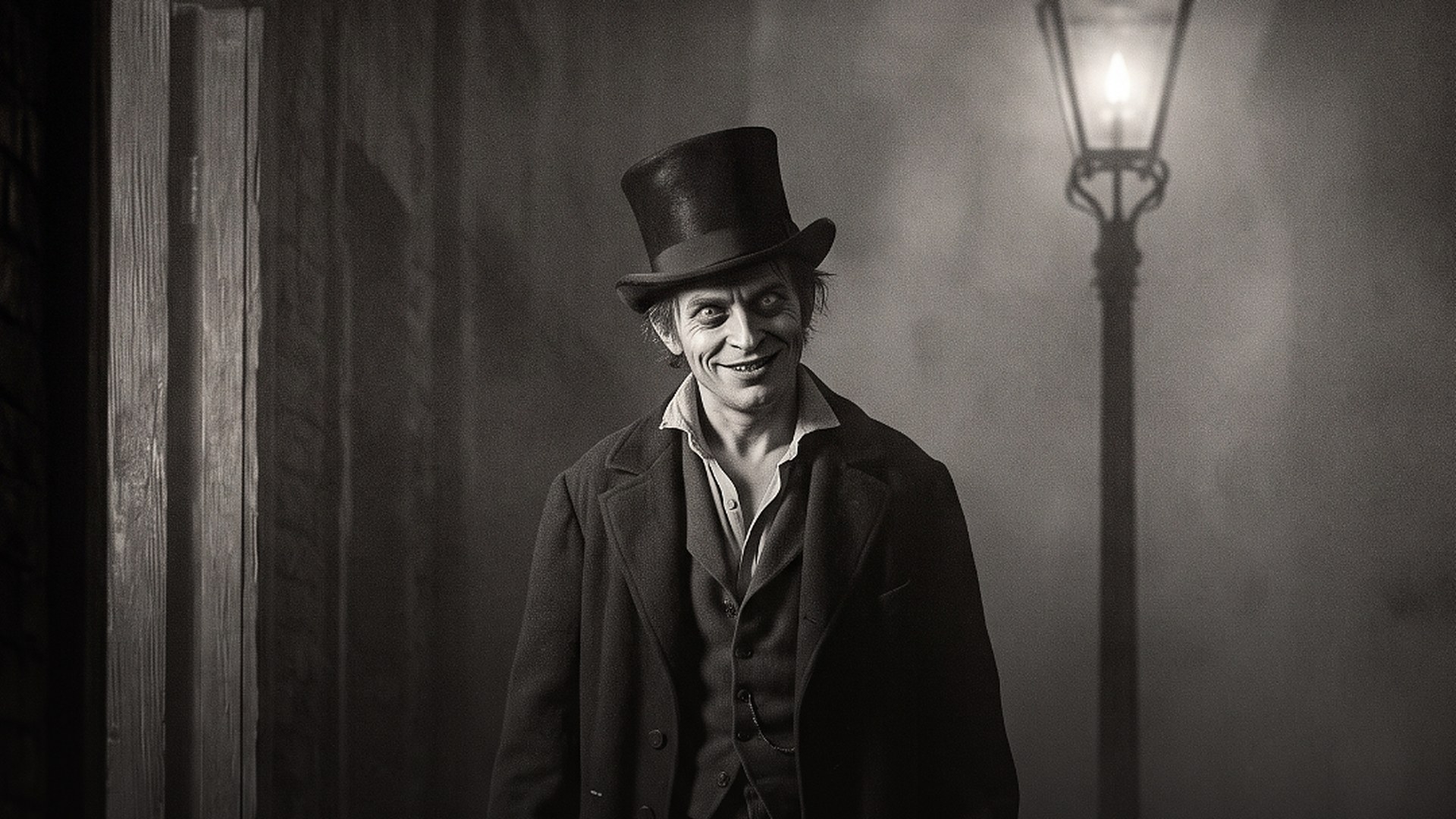
"Mr. Hyde was pale and dwarfish, he gave an impression of deformity without any nameable malformation, he had a displeasing smile…"
Nobody in the novella can say exactly what is wrong with Hyde's appearance. They just know something is deeply off, and they feel instant disgust.
Book vs. screen: He's not a hulking, ape-like brute. Hyde is small. When he wears Jekyll's clothes, they are described as enormously too large for him in every measurement.
6. Captain Hook - J. M. Barrie, Peter and Wendy (1911)
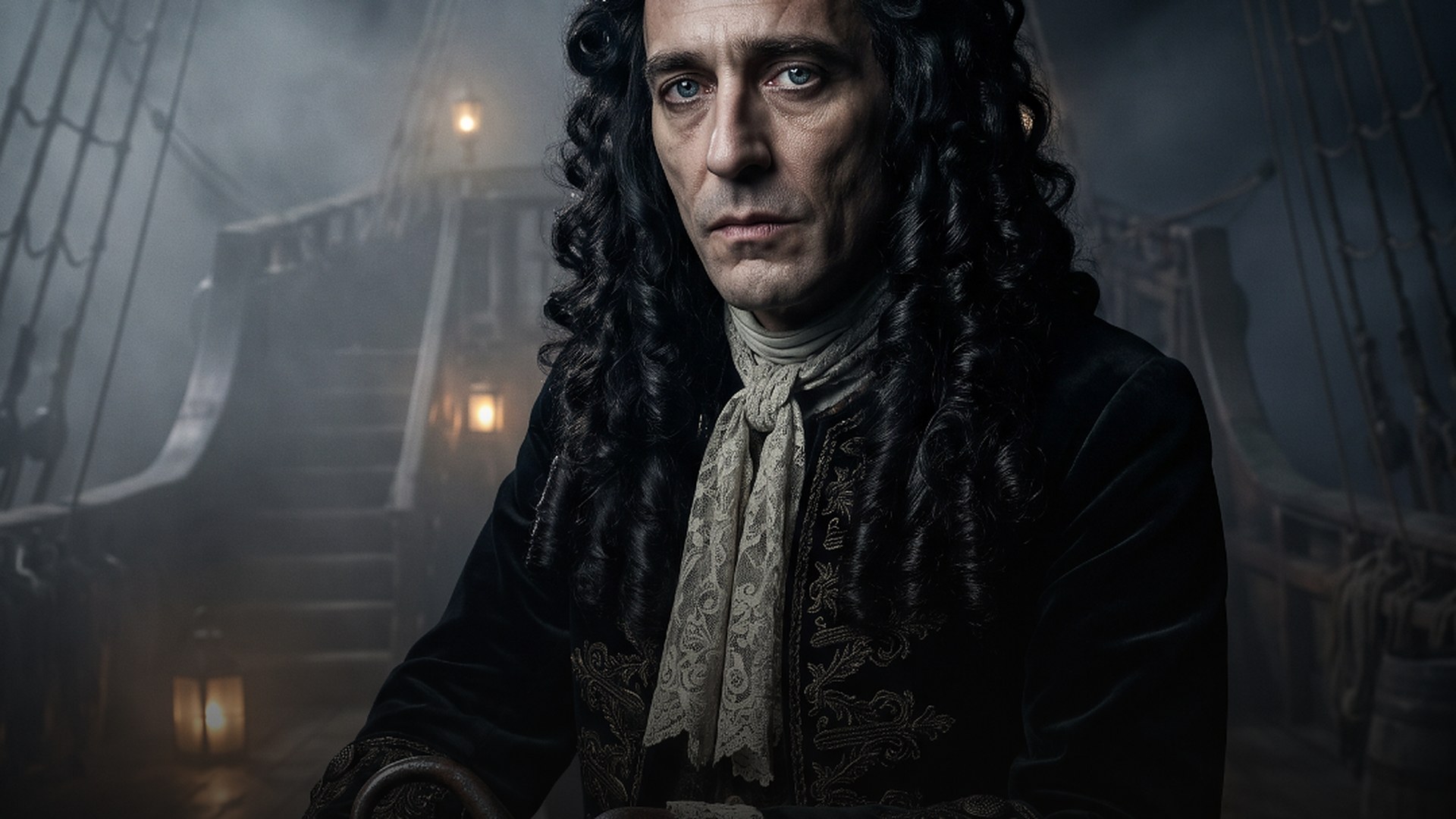
"His hair was dressed in long curls, which at a little distance looked like black candles… His eyes were of the blue of the forget-me-not…"
Barrie's Hook is cadaverous, dark-faced and elegant, with long black curls, a melancholy gaze and the manners of an old-school gentleman. He's far more menacing than the comic villain of later adaptations.
Read on: Those forget-me-not eyes stay calm and sad, except when he is plunging his hook into you. Then two red spots appear in them.
7. The Invisible Man - H. G. Wells, The Invisible Man (1897)
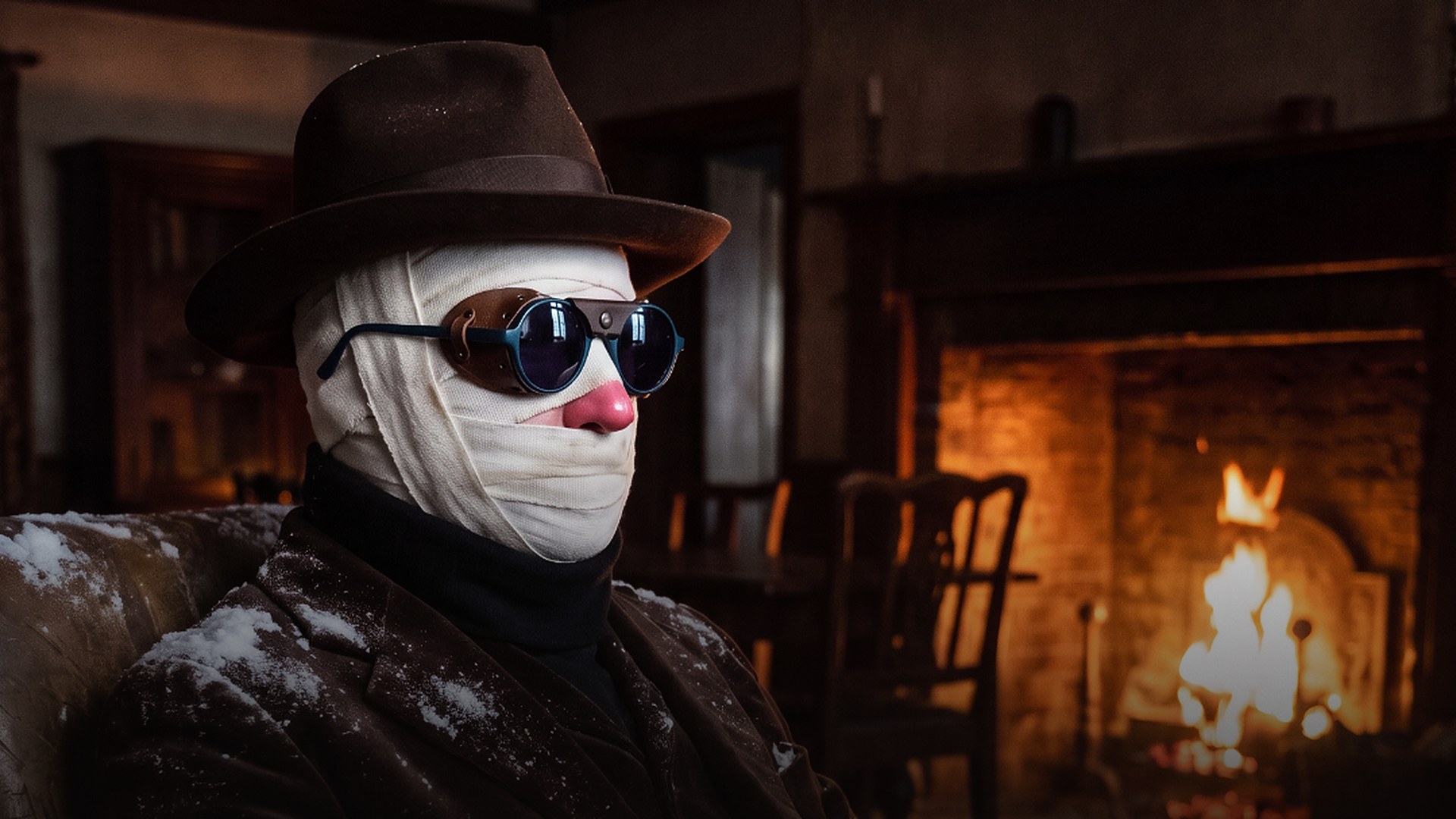
"…leaving not a scrap of his face exposed excepting only his pink, peaked nose. It was bright, pink, and shiny…"
Griffin arrives at the village inn wrapped in bandages, wearing big blue spectacles and a wide-brimmed hat, with only a shiny pink nose showing.
Plot twist: The nose is fake. Later in the book it comes off and rolls across the floor.
So, which one did the movies get most wrong?
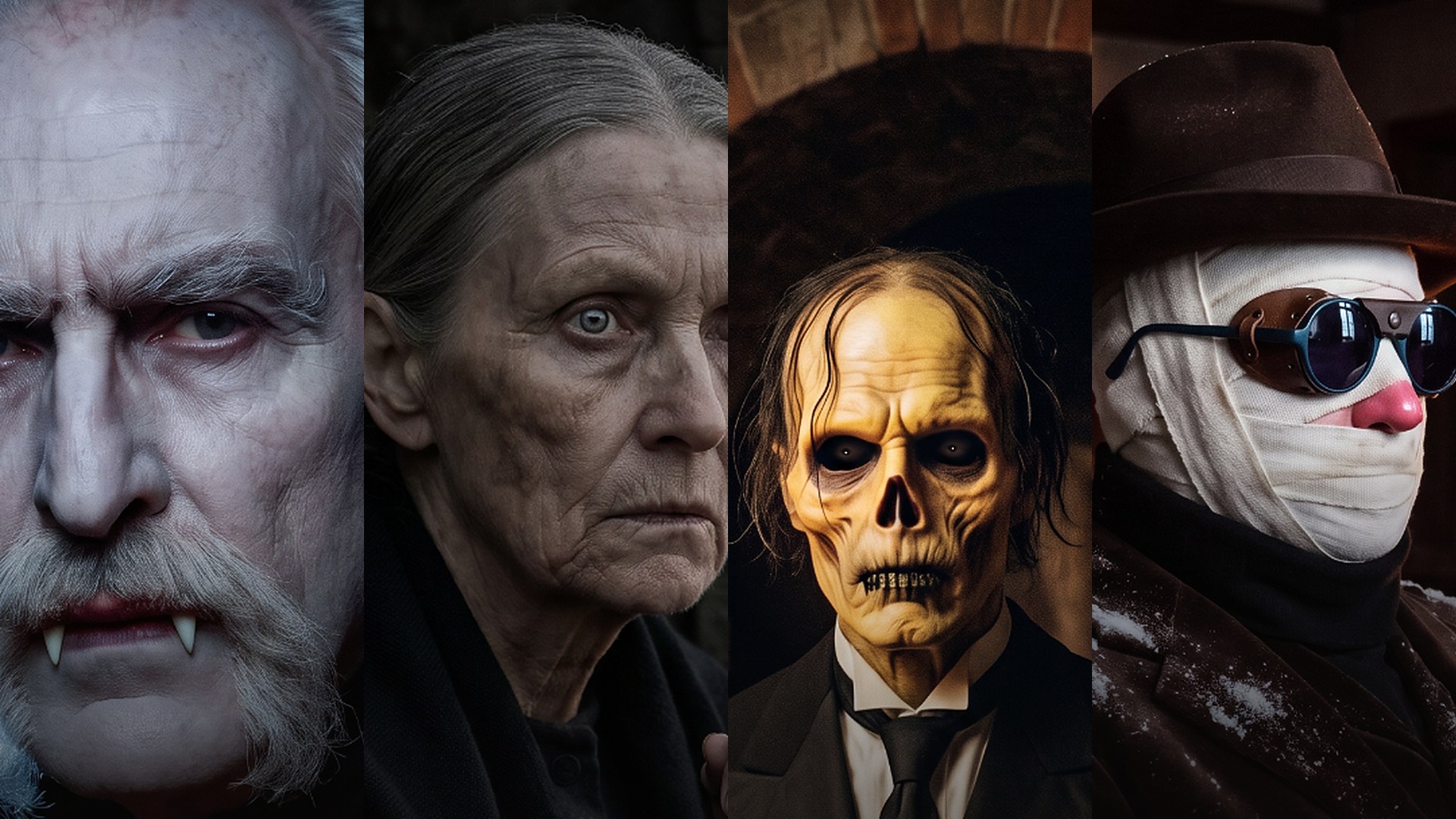
The green Creature with bolts? The green-skinned Witch? The half-handsome Phantom? Or the hulking Hyde who was supposed to be small enough to drown in his own clothes?
Save this for your next book-club argument, and send it to the friend who still calls the monster "Frankenstein."
Follow our instagram @litarchive_eng for more stories behind the stories.